
Shrewsbury history in the streets
Shrewsbury history is easiest to explore as a series of places rather than a single uninterrupted story. The centre lies largely within a loop of the Severn and rises over two hills. Its medieval street pattern, narrow plots and passages known as shuts help explain why a walk between the churches, The Square and the river is so absorbing.
Start with the streets and then choose an indoor stop for context. The things to do guide introduces the museum and churches, while our castle page explains the grounds and separate museum. Each place has its own opening arrangements, so check those that matter to your route.
Experiences in Shrewsbury
Medieval streets and timber buildings
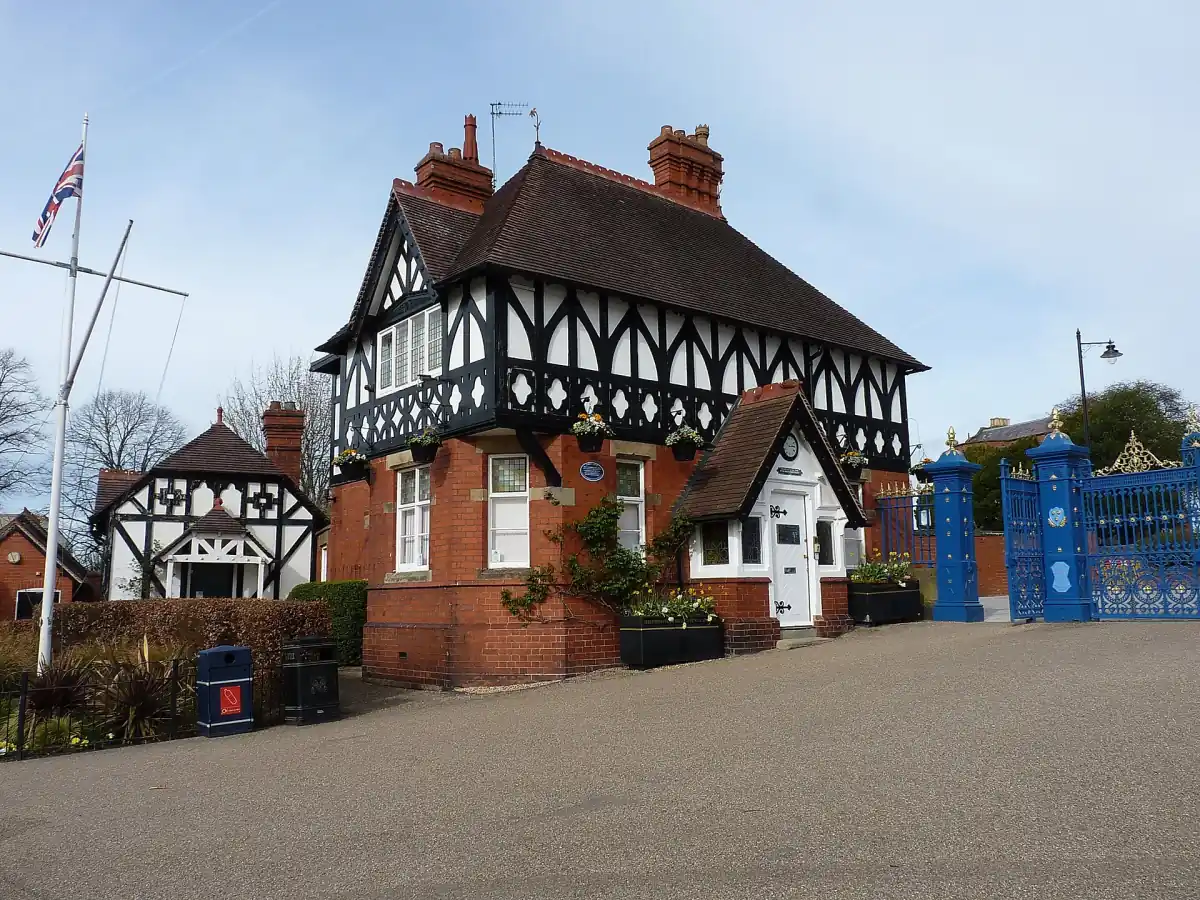
The town's street plan still offers a way to follow its medieval layout. The shuts connect streets through narrow passages, while The Square provides a central point from which to explore. Look at the shape and detail of individual buildings instead of assuming that every frontage belongs to the same period. A short walk can bring different chapters of the town into view.
The Abbot's House provides a specific example. This late medieval town house had original shop units, and its construction has been dated through its timber: trees were felled in 1457 and 1458 and a raising was recorded in 1459. That evidence tells a more useful story about one building than a rough count of all the town's timber-framed structures.
Shrewsbury Abbey and churches
The history of Shrewsbury Abbey goes back to 1083. Today it is both a place of worship and a place visitors can enter, with free admission and donations welcome. Check the current visiting arrangements before setting out, as services and events are relevant to a visit. The Abbey gives a starting point for considering the town beyond the loop of the river.
Other churches reveal different architectural periods. St Mary the Virgin has a Jesse window from the fourteenth century and an oak ceiling from the fifteenth. St Chad's has a round church space from the eighteenth century. Together they make useful stops for a walk focused on buildings, provided you allow for each church's own access and opening arrangements.
Darwin and the town
Charles Darwin was born in Shrewsbury in 1809 and attended Shrewsbury School from 1818 to 1825. His later voyage on the Beagle took place from 1831 to 1836. A statue dating from 1897 marks his connection with the town. These dates give a visitor a way to place the local story alongside the later journey, without turning every location into a museum stop.
For a broader introduction, Shrewsbury Museum & Art Gallery on The Square covers archaeology, geology, decorative art and social and industrial history. General admission is free, with donations welcome. Its published 2026 schedule is normally Tuesday to Saturday, 10:00 to 16:00; check special opening arrangements before visiting.
Prison history
Shrewsbury Prison remained in operation until 2013. Today visitors can explore surviving prison areas, cells and areas associated with punishment. That history raises different questions from the medieval streets: how a working institution occupied its buildings, and how the spaces are interpreted for visitors today.
For practical choices, including a self-guided visit and a guided format, see our separate Shrewsbury Prison guide. Give the prison its own place in your itinerary rather than treating it as an entrance included with the castle or town museum.
Flaxmill and the industrial region
Shrewsbury Flaxmill began operating in 1797. English Heritage describes it as the first multi-storey iron-framed building. Its story adds an industrial dimension to the town's older streets and shows why materials and construction methods matter as much as the outward appearance of a building.
The Mill exhibition and behind-the-scenes tours are different visitor experiences. The exhibition is step-free, while the tour's upper floors have stairs or lift access; check the details of the particular visit before booking. The wider industrial landscape continues at Ironbridge Gorge, where the bridge and dispersed museum sites make a separate regional outing. Plan transport and admission for each site individually.
Questions about Shrewsbury history
Where can I see the medieval street plan?
Walk around The Square and the central streets, including the narrow passages known as shuts. The layout is an easy starting point for exploring on foot.
What is Darwin's connection to Shrewsbury?
He was born here in 1809 and attended Shrewsbury School before the Beagle voyage. A statue from 1897 marks his connection to the town.
What is distinctive about the Flaxmill?
It began operating in 1797 and is described by English Heritage as the first multi-storey iron-framed building.
Can I visit the historic prison?
Yes. The former prison is a visitor attraction with different visit formats; check the separate prison guide for the practical details.